
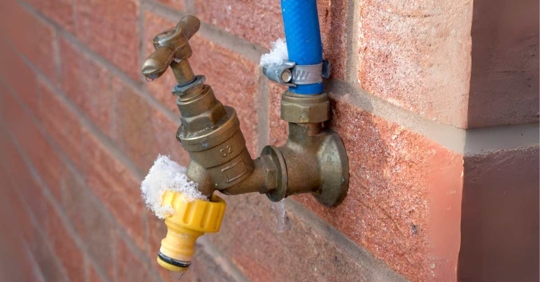
Winter in Northern Virginia brings beautiful snowy landscapes, but ushers in freezing temperatures that can wreak havoc on your home's plumbing. Burst pipes can lead to significant water damage, costly repairs, and a major headache for homeowners. The good news is that with some proactive preparation, you can significantly reduce the risk of winter plumbing emergencies. This guide offers practical steps to ensure your plumbing system is ready to withstand the coldest months.
Don't wait for a freeze! If you're concerned about your plumbing, contact us today through our online contact form or call (540) 264-4302 for immediate assistance.
Why Northern Virginia Winters Are Tough on Plumbing
Northern Virginia experiences a unique climate that makes plumbing particularly vulnerable to freezing. Our winters often feature fluctuating temperatures, with periods of extreme cold followed by slight thaws, which can put immense stress on pipes.
When water freezes, it expands, creating pressure within your pipes. This pressure can cause even the strongest pipes to crack or burst, leading to leaks once the ice thaws. Understanding this localized threat is the first step in effective protection.
Essential Steps to Protect Your Pipes
Taking a few simple preventative measures now can save you a lot of trouble and expense later. These steps are designed to be straightforward and actionable for any homeowner, regardless of their plumbing expertise.
Insulate Exposed Pipes
Any pipes located in unheated areas of your home are prime candidates for freezing. This includes pipes in your basement, crawl space, attic, garage, and even under your kitchen or bathroom sinks if they're on an exterior wall.
- Wrap 'Em Up: You can purchase inexpensive pipe insulation sleeves from any home improvement store. These are usually made of foam or fiberglass and designed to slip easily over your pipes. You can also use insulation tape for hard-to-reach areas or complex pipe configurations.
- Don't Forget the Water Heater Lines: While your water heater is typically in a warmer spot, the pipes leading to and from it can still benefit from insulation, especially if they run through an unheated space before reaching a warmer area.
Proper insulation acts as a protective barrier, keeping the pipes warmer and preventing the water inside from reaching freezing temperatures. It's a small investment that offers substantial peace of mind.
Disconnect and Drain Outdoor Hoses
Outdoor spigots and hoses are often the first victims of a hard freeze because they are directly exposed to the elements.
- Remove All Hoses: Before temperatures consistently drop below freezing, disconnect all garden hoses from your outdoor spigots. Leaving them attached can trap water in the spigot, which will freeze and potentially damage the faucet and the pipes connected to it.
- Drain Spigots: Once the hoses are disconnected, turn off the water supply to your outdoor spigots from the shut-off valve inside your home (if you have one). Then, open the spigot to allow any remaining water to drain out. This ensures no residual water is left to freeze and expand.
This simple action prevents ice from forming in your outdoor plumbing, safeguarding not only your hoses but also the internal pipes that supply them.
Seal Air Leaks Around Pipes
Even small drafts can introduce enough cold air to freeze pipes, particularly those near exterior walls.
- Caulk and Seal: Inspect your home for any cracks or openings near pipes, especially where they enter your house or pass through exterior walls. Use caulk or expanding foam to seal these gaps. Pay close attention to utility penetrations where pipes, wires, or cables enter your home.
- Check Windows and Doors: While not directly pipe-related, ensuring your windows and doors are properly sealed can help maintain a warmer indoor temperature overall, benefiting your entire plumbing system.
Sealing these entry points prevents cold air from directly chilling your pipes, offering an extra layer of defense against freezing.
During a Cold Snap: Active Protection
When the mercury truly plummets, a few additional actions can provide crucial protection for your plumbing.
Keep a Trickle of Water Flowing
This might seem counterintuitive, but a small, steady drip from your faucets can prevent pipes from freezing.
- Choose a Faucet: Select a faucet that is farthest from your main water supply or one that is on an exterior wall, as these are often the most vulnerable.
- Set a Slow Drip: Turn the hot and cold water taps to allow a slow, consistent drip. The movement of water, even a small amount, makes it much harder for ice to form and build up pressure.
This continuous movement of water can be a lifesaver for vulnerable pipes during extreme cold.
Open Cabinet Doors
Opening the cabinet doors for pipes located in cabinets on exterior walls, such as under kitchen and bathroom sinks, allows warmer air from your home to circulate around them. Simply open the cabinet doors wide enough to expose the pipes. This helps to raise the temperature around the pipes and bring the ambient warmth of your heated living space directly to your pipes, reducing the risk of freezing.
Maintain a Consistent Indoor Temperature
Resist the urge to drastically lower your thermostat at night or when you leave your home for an extended period, especially during a cold snap. Aim to keep your thermostat set to at least 55 degrees Fahrenheit (around 13 degrees Celsius), even when you're away. This ensures that your entire home, including uninsulated areas where pipes may run, remains above freezing. A stable indoor temperature provides a baseline level of protection for all your interior plumbing.
When Disaster Strikes: What to Do If Your Pipes Freeze
Even with the best preparation, sometimes a pipe can still freeze. Knowing what to do in such a situation can minimize damage.
Identify the Frozen Pipe
If you notice a sudden drop in water pressure or no water coming from a particular faucet, you likely have a frozen pipe. Carefully inspect exposed pipes for any visible frost, ice, or bulges. Often, the frozen section will be in an unheated area or along an exterior wall. Identifying the affected area quickly is key to a faster resolution.
Thaw the Pipe Slowly and Carefully
Never use an open flame or high-heat devices to thaw a frozen pipe, as this can cause the pipe to burst or even start a fire.
- Apply Gentle Heat: You can use a hairdryer on a low setting, a heating pad, or towels soaked in hot water wrapped around the frozen section.
- Keep Faucet Open: As you thaw the pipe, keep the faucet open. This allows water to flow out as the ice melts, relieving pressure.
Patience is vital during this process to avoid further damage.
Know When to Call a Professional
If you can't locate the frozen pipe, the frozen section is inaccessible, or if a pipe has already burst, it's time to call in the experts.
- Turn Off Main Water Supply: If a pipe has burst, immediately locate and turn off your home's main water supply valve to prevent further flooding.
- Contact First Choice Plumbing: Burst pipes require immediate attention from experienced professionals. We have the tools and expertise to safely thaw pipes, repair damage, and restore your plumbing system. You can always count on us for a full range of plumbing services.
Dealing with a burst pipe on your own can lead to more extensive damage. Our team is ready to help.
Winter-Ready Plumbing in Frederick, Warren & Fauquier County
Preparing your home's plumbing for the cold Northern Virginia winter is an important part of responsible homeownership. By taking these proactive steps, you can significantly reduce the risk of costly and inconvenient frozen pipe issues. Remember, a little preparation goes a long way in protecting your biggest investment.
If you have any questions about winterizing your plumbing or encounter a frozen pipe issue, don't hesitate to reach out to First Choice Plumbing. We're here to help you keep your plumbing safe and sound all winter long.
Contact us through our online contact form or give us a call at (540) 264-4302.